Water damage is one of the most prevalent and costly problems that homeowners and property managers face. While natural flooding and severe weather events often make headlines, much of the water damage experienced indoors originates from seemingly minor issues such as burst pipes and leaking appliances. These problems can go unnoticed for days or even weeks, leading to structural damage, mold growth, and compromised indoor air quality. Understanding the common causes, warning signs, and preventive measures associated with indoor Water Damage Restoration Salt Lake City is essential for maintaining a safe, healthy, and durable home or business environment.
Pipes are the lifelines of any plumbing system, supplying water to bathrooms, kitchens, laundry areas, and HVAC units. Over time, pipes are susceptible to corrosion, mineral buildup, freezing temperatures, or simple wear and tear, all of which increase the risk of bursts or leaks. A sudden pipe burst can release hundreds of gallons of water in minutes, soaking walls, floors, ceilings, and personal belongings. Even smaller leaks, such as slow drips or pinhole perforations, can gradually saturate building materials and create long-term problems that are difficult and expensive to repair. Recognizing the conditions that lead to pipe failures is critical for early intervention.
Frozen pipes are one of the most common causes of indoor water damage in colder climates. When water inside a pipe freezes, it expands, putting extreme pressure on the pipe walls. If the pressure exceeds the pipe’s capacity, it will burst, often with explosive results. Property owners may notice minor cracks or small leaks before a major rupture occurs, but in many cases, damage is not immediately visible. Preventive measures, such as insulating pipes, maintaining consistent indoor temperatures, and allowing faucets to drip during freezing conditions, help reduce the risk of pipe bursts.
Corrosion and aging are also significant contributors to pipe failure. Older metal pipes, particularly galvanized steel or iron, can rust and weaken over time, making them prone to leaks or breaks. Corroded pipes often develop pinhole leaks that go unnoticed until they cause significant damage behind walls or beneath flooring. These leaks not only waste water but also create a moist environment that promotes mold growth and deterioration of structural materials. Routine inspection and maintenance are essential for identifying corroded pipes before they result in serious water damage.
Appliances, while convenient and necessary for daily life, are another common source of indoor water damage. Washing machines, dishwashers, water heaters, refrigerators, and HVAC systems all rely on plumbing connections that can fail due to loose fittings, worn hoses, or mechanical malfunctions. A leaking appliance may release water gradually, soaking flooring, cabinetry, and surrounding walls, or it may malfunction catastrophically, causing rapid flooding. Property owners should inspect hoses, connections, and tanks regularly and replace worn components promptly to prevent appliance-related water damage.
Human error and improper installation also contribute to appliance leaks. A loosely connected hose, an incorrectly installed dishwasher, or an unsealed water heater can create small leaks that eventually become major problems. Even temporary lapses in maintenance, such as failing to replace old hoses or ignoring appliance warning signs, can result in water intrusion. Routine checks, adherence to manufacturer guidelines, and timely repairs are critical for preventing avoidable damage.
Structural factors and design flaws can exacerbate the consequences of burst pipes and appliance leaks. Poor drainage, inadequate ventilation, or insufficient waterproofing can cause water to accumulate in walls, floors, or ceilings, accelerating damage. In older buildings, plumbing systems may have been retrofitted or modified multiple times, increasing the risk of failure at weak points. Understanding the relationship between plumbing infrastructure and building design helps property owners address vulnerabilities proactively.
Several enumerated signs indicate potential pipe or appliance-related water damage:
- Unexplained Water Stains – Yellow or brown marks on ceilings, walls, or floors may indicate leaks behind surfaces.
- Dripping or Pooling Water – Even small, persistent drips can cause long-term damage over time.
- Musty or Moldy Odors – Lingering moisture encourages microbial growth, often producing noticeable odors.
- Sagging or Warped Surfaces – Floors, walls, or ceilings may warp or bubble as water accumulates.
- Increased Water Bills – Sudden spikes in usage can indicate hidden leaks.
- Appliance Malfunctions – Water heaters, dishwashers, or washing machines that malfunction or exhibit damp areas beneath them may be leaking.
Detecting water damage early is essential for minimizing its effects. Advanced tools such as moisture meters, infrared cameras, and leak detection systems allow professionals to identify water intrusion that is not visible to the naked eye. Early detection prevents small leaks from escalating into extensive structural damage or mold proliferation. Homeowners and facility managers should consider periodic inspections, especially in areas with high water usage, older plumbing systems, or previous water damage history.
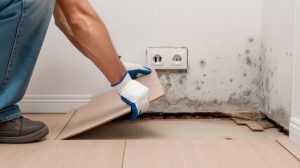
Mold and mildew growth is one of the most serious consequences of unaddressed indoor water damage. Moisture from burst pipes or appliance leaks can penetrate subflooring, insulation, and wall cavities, creating ideal conditions for fungal growth. Mold spores, once airborne, can trigger respiratory issues, allergies, and other health concerns for occupants. Professional cleanup and remediation not only remove standing water and dry affected materials but also address mold contamination, ensuring a safe and healthy indoor environment.
The impact of water damage extends beyond health concerns. Structural components such as wooden beams, drywall, and subflooring weaken when exposed to moisture for prolonged periods. Electrical systems in contact with water may short-circuit or malfunction, presenting fire risks. Flooring materials such as hardwood, laminate, and carpeting can buckle, warp, or delaminate. Appliances themselves may be damaged when exposed to leaks or flooding, creating additional financial burdens. Understanding the full scope of water damage highlights the importance of rapid response and preventative maintenance.
Prevention strategies play a critical role in reducing the risk of pipe bursts and appliance leaks. Regular maintenance, including inspection of water heaters, washing machines, and dishwashers, helps identify early signs of wear or leaks. Replacing worn hoses, tightening fittings, and following manufacturer maintenance guidelines ensure appliances operate safely. Similarly, property owners should monitor plumbing for signs of corrosion, unusual sounds, or slow leaks. Installing water detection devices and automatic shutoff valves can provide an additional layer of protection by alerting occupants to leaks before extensive damage occurs.
Seasonal considerations are important for preventing water damage. In colder climates, freezing temperatures can lead to pipe bursts, particularly in uninsulated or poorly protected areas. Preparing plumbing for winter by insulating pipes, sealing gaps, and maintaining indoor heat reduces the likelihood of freezing. Conversely, during periods of heavy rainfall or high humidity, attention should be paid to appliance connections, drainage systems, and basements to prevent leaks or water accumulation.
Property owners should also prioritize the quality of materials used in plumbing and appliances. Flexible, reinforced hoses for washing machines and dishwashers are more resistant to cracks than older rubber hoses. High-quality water heaters with durable tanks and pressure relief valves reduce the risk of catastrophic leaks. Investing in durable and properly installed materials helps prevent water damage and extends the lifespan of both plumbing systems and appliances.
Several practical measures can help mitigate the risk of indoor water damage:
- Inspect Pipes Regularly – Look for corrosion, leaks, or signs of wear, particularly in hidden or hard-to-reach areas.
- Maintain Appliances – Check hoses, seals, and connections for signs of wear or leaks and replace them proactively.
- Install Water Detectors – Sensors placed near water heaters, washing machines, and sinks can alert occupants to leaks immediately.
- Control Humidity and Ventilation – Proper airflow reduces condensation and the risk of moisture accumulation.
- Schedule Professional Plumbing Maintenance – Annual inspections by a qualified technician help identify potential weaknesses before they cause damage.
In conclusion, burst pipes and appliance leaks are among the most common causes of indoor water damage, posing risks to both property and occupant health. Early detection of leaks, attention to warning signs such as stains, odors, or warped surfaces, and proactive maintenance are essential for minimizing damage and preventing costly repairs. Property owners should combine preventive strategies, routine inspections, and professional intervention to maintain a safe, healthy, and resilient home or business environment. Understanding the underlying causes of water damage and addressing them promptly ensures long-term protection for structures, appliances, and the well-being of all occupants.