Cabinet Refacing – A Cost-Effective Kitchen Remodeling Option

Cabinet Refacing is a less expensive and less disruptive process than replacing your kitchen cabinets. It involves installing new drawer and cabinet fronts, but keeping the existing cabinet boxes intact.

Cabinet Refacing

It is an ideal choice for homeowners who want a new look for their kitchen, but don’t need to change the layout.

Cabinet refacing is an excellent option for homeowners who want to update their kitchens at a fraction of the cost and time required by a full renovation. It also requires less demolition and disruption of your home, allowing you to keep living in your kitchen while the project is underway. While many homeowners choose to reface their cabinets using solid wood, there are other options available. These include laminates, composites, and thermofoil. Each material has its own advantages and disadvantages, so it’s important to understand the differences before deciding which one is right for you.

Solid wood is a popular choice for cabinet refacing because it offers a rich, high-quality aesthetic that complements a variety of styles. Its durability makes it ideal for kitchens with heavy use. Over time, it resists dents and scratches, is less prone to warping, and can be refinished easily. However, solid wood is usually more expensive than other refacing materials.

Laminated doors and drawer fronts are an affordable cabinet refacing option, offering a wide range of color and design options. They’re also resistant to heat and moisture, making them a good choice for modern and contemporary kitchens. However, laminates can delaminate over time and are prone to peeling. In addition, they are susceptible to damage from rough handling.

Composite and engineered materials may be less expensive than solid wood when refacing your cabinets, but they can deteriorate quickly. Laminates can delaminate or lose their integrity, and composites can swell in humid conditions. In comparison, solid wood will last for decades and retain its beauty over time.

NHance’s cabinet refacing process, Color Shift, allows homeowners to change the color of their existing solid wood doors and drawer fronts without the expense of replacing them entirely. This service involves the application of several coats of hand-applied paint to the wooden surfaces. These coats can be tinted with a variety of hues, including black, gray, white, and brown. In order to ensure a quality finish, this service is performed by skilled technicians and uses only the highest-quality products. This minimizes waste and environmental impact.

Medium-density fiberboard (MDF)

MDF is an engineered wood product made by mixing pulverized wood fibers with resins and wax, which are then pressed together under heat and pressure. This material is more affordable than real wood and can be cut easily with standard woodworking tools. It also has a smooth surface that is ideal for painting and is resistant to water. This makes it a popular choice for cabinetry, furniture, and other projects that require a lot of paint.

MDF cabinets offer a stunning appearance and durability, but it’s important to note that they can still suffer from natural wear and tear. For example, they can acquire dings and scratches over time, but these can be easily repaired by repainting them. Additionally, MDF is susceptible to moisture and should be treated carefully. It’s essential to use slow-closing hinges and moisture-resistant materials to prevent damage.

Medium-density fiberboard is a great choice for cabinet refacing projects because it’s versatile and affordable. It’s also more durable than solid wood and can be fabricated into complex shapes. It’s also easier to work with than plywood, and it’s available in a wide range of thicknesses.

Another advantage of MDF is that it can be shaped with a router, which can help achieve the desired shape for your project. It’s also easy to cut and can be machined into precise tolerances. It’s also more stable than plywood and can resist warping or bending. It’s also more resistant to changes in humidity than solid wood, and it can be coated with a vinyl layer for added protection.

MDF is available in a variety of textures and patterns, and it can be laminated with decorative overlays to create a custom look for your home. It’s a great option for homeowners who want to add decorative touches to their kitchen cabinets. The material is also available in different colors, allowing you to choose the perfect color for your home. Alternatively, you can opt for Rigid Thermofoil (RTF) for a more contemporary look. RTF is a hybrid of MDF and vinyl and offers a more realistic wood grain pattern.

Pressure-sensitive wood back veneers

Pressure sensitive adhesive (PSA) veneers are a quick alternative to applying wood veneer with a liquid adhesive. They are made of veneer that has a layer of adhesive film applied to the back, making them easy to cut and trim with standard tools. They can be used in a variety of projects, including cabinet refacing, speaker building, and more. PSA veneers are available in 24×96” sheets and come in a wide range of species. They can be trimmed with a laminate slitter, which has a sliding blade that cuts strips of wood veneer to specific lengths.

When working with a PSA veneer, it is important to let it acclimate to the environment in which you work before use. This will help prevent any problems with the adhesion process. It is also a good idea to apply a small amount of water-soluble contact adhesive to both the surface on which you will be applying the veneer and the back of the PSA veneer itself.

Once the PSA veneer has acclimated, it’s time to begin your project. Start by selecting a strip of veneer that is slightly larger than the exposed end panel. This will give you a little room to trim the excess. Once the first strip is glued and smoothed, use a utility knife with a razor blade to trim the remaining excess veneer. Be careful not to gouge the face frame or any of the other exposed ends.

Using a 100-grit sandpaper, sand the face frames to remove any contaminants that might interfere with the bonding process. After sanding, wipe the surfaces with a damp cloth to remove any dust or debris that may be left behind. You should also sand any rough areas that need it.

Before you apply the veneer, prepare the substrate by sanding it with 120-grit sandpaper or a random-orbit sander. Make sure the surface is clean and free of grease or oil, as these can cause the veneer to adhere poorly. Lastly, you should wipe the substrate with a damp cloth and allow it to dry completely before proceeding with the refacing project.

Plywood with a veneer core

Cabinet refacing is a popular kitchen remodeling option that is cost-effective and time-efficient. This process involves replacing the cabinet doors and drawer fronts without removing or modifying the existing cabinet boxes. It can be completed in a few days and can add an instant facelift to your entire kitchen. Refacing is also a great choice for homeowners with busy lifestyles, as it requires less maintenance than painting or staining cabinets.

The material you choose for your cabinet refacing will have a significant impact on the durability and cost of the project. There are many different options to consider, including laminate, solid wood, and veneer. Each offers unique advantages and features, but they all provide an attractive, durable finish.

Wood veneer is an excellent choice for kitchen cabinet refacing. It is strong, moisture-resistant, and easy to clean. It is available in a variety of colors, textures, and patterns to suit any style preference. It can be installed over other materials such as medium-density fiberboard (MDF) or plywood. It is also less expensive than refacing with solid wood.

Plywood with a veneer core is another good choice for cabinet refacing. Its strength and stability make it a great alternative to particleboard. It has an impressive screw holding capability and is available in a wide range of species. It is also lightweight in comparison to composite options, making it easier to handle during installation.

There are two types of cabinet refacing plywood: pressure-sensitive adhesive and non-adhesive. The adhesive version is designed to adhere directly to the cabinet surface, which can reduce installation time and costs. It is also sturdier and more resistant to damage than the paperback varieties. It is ideal for face-frame applications and larger surface areas.

Decorative laminate veneer is another good option for kitchen cabinet refacing. It is available in a wide variety of textures and designs, and can be used to create a modern geometric pattern or a classic wood grain. It is easy to clean and scratch-resistant, and it comes in a variety of colors and finishes.

Laminate cabinet refacing is an affordable and durable option. It is made from PVC (Polyvinyl Chloride) vinyl film that is thermoformed over a medium-density fiberboard (MDF) surface through heat and vacuum pressure, fusing them together. It is available in a wide varietyof colors and patterns and can be finished with a gloss or matte finish. It is an excellent option for homeowners with children or pets, as it is scratch-resistant and easy to clean.

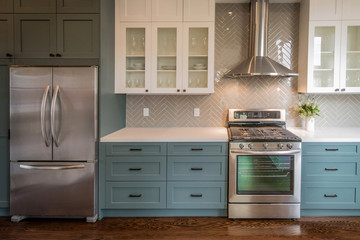
How to Prep Cabinets for a Flawless Paint Finish

When it comes to painting cabinets, getting that silky smooth finish is all about thorough preparation and meticulous application. Applying thin coats and allowing each to dry completely prevents drips, streaks, and textured finishes.

Cabinet

Modesto Cabinet Painters will also ensure that your finished project looks professional. Follow these expert tips to achieve a flawless paint job!

The key to a flawless paint finish is the surface that it’s applied to. Whether you’re refreshing a single room or repainting your whole house, proper prep is the difference between an average DIY look and a professional result. With disciplined surface prep and the right materials, you can create a smooth, factory-quality finish that will last for years to come.

Start with a clean, dry surface to prevent any unwanted reactions from the new paint. Wash the walls with a mild detergent or a cleaning solution like tri sodium phosphate (TSP) and rinse thoroughly to remove any dirt or grime that’s present.

Once your walls are clean, lightly sand them with 150 to 220 grit sandpaper to roughen up the surface and give the new paint something to adhere to. Be sure to sand over any glossy or waxed areas as well. Skipping this step can lead to uneven color or peeling later on.

Next, you’ll want to choose the right type of paint for your project. Matte or satin finishes work best for wall surfaces to hide imperfections, while semi-gloss and gloss paints are ideal for trim and doors to create a polished, durable surface that’s easy to wipe down and clean.

When applying your first coat of paint, it’s important to apply a thin layer and avoid going over it too quickly. This allows the paint to adhere better and will prevent drips and runs. Be sure to follow the paint manufacturer’s recommendations for thinning ratios.

As you continue to add layers of paint, try to maintain a “wet edge.” This means brushing over the previous stroke slightly while the new coat is still wet to blend the edges and reduce the appearance of brush marks. When painting recessed or narrow spaces, it’s also helpful to use a smaller brush to ensure you’re getting all the corners and crevices.

To help you achieve a smooth, flawless finish, make sure to always work in a well-ventilated area and use a high-quality paint with additives that promote self-levelling for a smoother finish. It’s also important to apply multiple thin coats rather than a thicker one and to let each coat dry completely before adding the next.

Preparing the Cabinets

Cabinets are exposed to daily wear and tear, grease and moisture, so a fresh coat of paint is essential for protecting them. However, improper painting preparation can result in your brand-new paint flaking or chipping. This is why it’s important to follow proper painting techniques and use high-quality materials to achieve a flawless finish.

Begin by emptying out your cabinets and removing the doors, drawers and hardware. Take note of where each item goes, and number them so you can put them back in the correct places once they’re ready to reattach. Use a trisodium phosphate (TSP) cleaner to remove oil and grease from the surface of the cabinets, and make sure you clean the hinge holes as well.

If your cabinets have been previously painted, you’ll need to strip them with a chemical stripping product and sand the surface to ensure quality adhesion for your new paint job. Sherwin-Williams recommends using Extreme Bond Primer for superior adhesion and a smooth, flawless topcoat.

Before proceeding with priming, apply a small area of primer to an inconspicuous part of the cabinet to test for adhesion. If the product holds up, it’s safe to proceed with the rest of the kitchen cabinet surfaces.

Applying the Primer

If you want a smooth finish that will hide brush marks, apply a coat of high-quality primer. This is an important step in any painting project, and it’s especially vital when refinishing cabinets. It creates a surface that’s ready for the topcoat and helps ensure a long-lasting, smooth, durable paint job.

A good primer will also prevent stains from staining the finished product and give you a great base for your color choice. You can choose an oil-based or water-based primer depending on the type of paint you plan to use. Water-based primers dry more quickly and are easy to clean up, but they may not offer as much adhesion as oil-based ones.

Before you apply the primer, sand the cabinet surfaces to smooth them and ensure the surface is ready for painting. This can be done with 120-grit sandpaper, and you should also sand between coats of paint to remove any rough spots and achieve that smooth finish you’re after. Once you’ve sanded, wipe the cabinetry down to get rid of any sanding dust.

When selecting a primer for your cabinets, opt for one that’s specially formulated for cabinetry. A quality acrylic primer, like Fresh Start High-Hiding All-Purpose Primer from KILZ, is a favorite among professional painters. It offers excellent hiding power, seals and suppresses stains, and contains mildew-resistant properties, which are important in a moisture-prone area like the kitchen.

Apply the primer with a soft, even stroke, and let it dry. Then, sand the cabinetry again with a slightly finer grit of sandpaper (around 220-320). This is important for a smooth, seamless finish and to reduce the appearance of any brush marks. Be sure to wipe down the cabinets with a damp cloth before applying the next coat of primer and sanding again.

Once the primer is dry, you can begin painting your cabinets. It’s best to work on one cabinet at a time and use thin, even strokes. You can choose to use a brush or a sprayer, but either way be sure to keep your coats light and uniform to avoid drips and runs. It’s also a good idea to practice your technique on some scrap wood or cardboard before you tackle the real thing!

Applying the Paint

Painting your cabinets is a rewarding DIY project that can transform the heart of your home. But achieving a polished look that rivals professional results requires the right tools, techniques, and patience. One of the biggest challenges with cabinet painting is avoiding brush marks. By following these tips, you can achieve a smooth finish that is free of streaks and other imperfections.

Before you begin painting, make sure all surfaces to be painted are clean and dry. Using a degreaser like KILZ Cabinet Coating Cleaner helps to eliminate grease and oil that can cause the paint to chip or peel over time. It is also a good idea to remove all doors and hardware before beginning the painting process, as this will allow for easier access to the surfaces to be painted.

When it comes to applying the paint, it is important to use a high-quality product that is specifically formulated for cabinets. These types of paints are designed to lay down more evenly, which will help to minimize brush marks. If you are unsure about what type of paint to use, consult the manufacturer for recommended thinning ratios. It is also a good idea to practice your brush technique on a piece of scrap wood before tackling your cabinets, as this will give you a better feel for how the paint flows and how to apply it with precision.

Once the primer has dried, you can begin applying your paint. It is recommended to apply several thin coats, allowing each to dry completely between each application. You will want to make sure to cover any areas with a brush that are difficult to reach, such as corners and crevices.

For an even smoother finish, it is a good idea to lightly sand between each coat of paint. Using fine-grit sandpaper will ensure that any remaining paint is smooth and free of scratches. After sanding, make sure to wipe down the surface with a damp cloth before applying the next coat.

If you are still having trouble achieving a smooth finish, you may want to consider using a sprayer instead of a brush. This can be a more efficient way to paint, but it will require some practice and thorough masking to avoid overspray and other issues.

Choosing the Right Kitchen Remodeling Contractor: Red Flags and Green Lights to Know

Kitchen Remodeling

Kitchen Remodeling Lexington KY is one of the most significant investments a homeowner can make. The quality of the finished space depends not only on materials and design but also on the contractor managing the project.

Choosing the right kitchen remodeling contractor can mean the difference between a smooth, successful renovation and a stressful, costly experience. Understanding the red flags to avoid and the green lights to look for helps homeowners make confident and informed decisions.

Why the Right Contractor Matters

Kitchen remodeling involves plumbing, electrical work, cabinetry installation, flooring, and structural adjustments. These tasks require skill, coordination, and careful planning. A qualified contractor ensures that all elements come together properly and that the project meets safety and building standards.

An inexperienced or unreliable contractor can cause delays, budget overruns, and substandard workmanship. Poor management may lead to miscommunication, unfinished work, or even legal disputes. Because kitchens are central to daily life, disruptions can quickly become frustrating.

Choosing wisely at the beginning of the process protects both your investment and your peace of mind.

Green Lights to Look for in a Kitchen Remodeling Contractor

One of the strongest green lights when evaluating a contractor is clear and professional communication. A reliable contractor listens carefully, answers questions thoroughly, and provides detailed explanations about timelines, materials, and processes.

Proper licensing and insurance are also essential. Contractors who can provide proof of credentials demonstrate professionalism and accountability. Insurance protects homeowners from liability in case of accidents or property damage during the project.

Another positive sign is a well documented portfolio of previous kitchen remodels. Seeing examples of completed work helps assess craftsmanship and design capabilities. Contractors who willingly share references from past clients further demonstrate confidence in their work.

Transparency in written estimates and contracts is another important green light. Detailed documentation outlining scope, payment schedule, and responsibilities helps prevent misunderstandings.

Red Flags That Should Raise Concern

Certain warning signs should not be ignored when choosing a kitchen remodeling contractor. One major red flag is vague or incomplete estimates. If a contractor cannot clearly outline what is included in the price, unexpected costs are likely to arise later.

A request for a large upfront payment is another cause for concern. While deposits are common, excessive advance payments may indicate financial instability or potential risk. A reasonable payment schedule tied to project milestones reflects professionalism.

Poor communication during the initial consultation is also a warning sign. If phone calls or emails go unanswered or responses are unclear, this pattern may continue throughout the project.

Additionally, reluctance to provide proof of licensing, insurance, or references suggests a lack of transparency. Homeowners should view this as a serious concern.

Evaluating Experience and Specialization

Not all contractors specialize in kitchen remodeling. While general construction experience is valuable, kitchens require specific expertise due to the combination of plumbing, electrical systems, and cabinetry installation.

Asking about previous kitchen projects helps determine whether the contractor has relevant experience. Experienced contractors understand common challenges and know how to address them efficiently.

Specialization often leads to smoother workflows and better results. Choosing someone familiar with kitchen remodeling reduces the likelihood of costly mistakes.

The Importance of Detailed Contracts

A detailed contract protects both the homeowner and the contractor. It should clearly define the scope of work, materials to be used, project timeline, payment schedule, and procedures for handling changes.

Contracts should also outline responsibilities for permits and inspections. Clear documentation prevents confusion and provides a reference if disagreements arise.

Homeowners should carefully review contracts and ask questions before signing. Taking time to ensure clarity upfront avoids complications later.

Checking References and Reviews

Speaking with past clients provides valuable insight into a contractor’s reliability and work quality. References can reveal whether the project was completed on time, within budget, and according to expectations.

Online reviews may also offer perspective, but they should be evaluated carefully. Patterns of consistent praise or repeated complaints provide more meaningful information than isolated comments.

A contractor who encourages contact with previous clients demonstrates transparency and confidence.

Understanding Project Management Style

Effective kitchen remodeling requires strong project management. Contractors must coordinate subcontractors, schedule deliveries, and monitor progress.

Asking how the contractor manages projects helps set expectations. Will there be a dedicated project manager. How often will updates be provided. Clear answers indicate organized processes.

Strong management ensures that the remodel stays on schedule and that communication remains consistent.

Communication and Compatibility

A successful remodeling experience depends on a positive working relationship. Contractors should respect homeowner preferences and be open to feedback.

Clear communication fosters trust and reduces stress. During initial meetings, observe whether the contractor listens attentively and responds thoughtfully.

Compatibility matters because remodeling projects often last several weeks or months. Working with someone who communicates clearly and professionally makes the experience more enjoyable.

Handling Changes and Unexpected Issues

Even well planned kitchen remodels may encounter unexpected challenges. Hidden structural issues or outdated wiring can require adjustments.

A reliable contractor discusses how changes will be handled before the project begins. Written change orders that outline additional costs and timeline adjustments prevent misunderstandings.

Flexibility combined with transparency is a strong green light. Contractors who approach challenges with solutions rather than excuses demonstrate professionalism.

Comparing Multiple Contractors

Interviewing more than one contractor provides perspective and helps identify fair pricing. Comparing proposals allows homeowners to assess differences in approach, scope, and cost.

While price is important, it should not be the only deciding factor. The lowest bid may reflect shortcuts or lower quality materials. Balancing cost with experience and communication ensures better results.

Taking time to compare options supports informed decision making.

Trusting Your Instincts

Beyond credentials and contracts, personal instincts play a role. If something feels unclear or uncomfortable during early interactions, it is worth reconsidering.

Confidence in your contractor is essential. You should feel comfortable asking questions and discussing concerns openly.

Trusting your judgment helps avoid potential problems before they begin.

Preparing for a Successful Partnership

Once the right contractor is selected, maintaining open communication and realistic expectations supports a successful partnership. Establishing clear timelines and regular check ins keeps everyone aligned.

Being organized and responsive as a homeowner also contributes to smooth progress. Collaboration and mutual respect create a positive working environment.

Strong partnerships lead to better outcomes and less stress.

Final Thoughts on Choosing the Right Kitchen Remodeling Contractor

Choosing the right kitchen remodeling contractor requires careful evaluation, research, and attention to detail. Recognizing green lights such as clear communication, proper credentials, and detailed contracts helps identify reliable professionals. At the same time, being aware of red flags such as vague estimates, poor responsiveness, and lack of transparency protects homeowners from costly mistakes.

A well chosen contractor brings expertise, organization, and accountability to the project. By investing time in the selection process, homeowners increase the likelihood of a smooth renovation and a kitchen that meets both functional needs and aesthetic goals. Careful selection at the beginning sets the foundation for a successful remodeling experience that delivers lasting satisfaction.