What Makes Antiques Valuable?

Antiquariato Roma provide a connection to the past, which can be emotionally and mentally enriching. Moreover, buying antique furniture or decorative accessories decreases the demand for new items that require resources and energy to produce, cutting down on harmful environmental impacts.

Antique

Antiques also feature superior craftsmanship and intricate details, which can inspire a deeper appreciation for quality and skill.

Antiques are a window into the past, often reflecting the societal values and cultural norms of their time. They can also be a reminder of the many journeys and experiences that have shaped our world. Antique furniture, for instance, has the potential to bear witness to historical events or even have traveled across continents, making it a valuable and intriguing collector’s item. Verifying provenance is a vital part of determining the true value of an antique. Authenticity can be verified through extensive research, consulting experts in the field, and verifying documentation like signatures or stamps. If an antique’s history is embellished or exaggerated, it can significantly diminish its value.

Rarity is another significant factor that can increase an item’s value. Antique items that were produced in limited quantities tend to be more sought after by collectors. Additionally, some antiques may have special significance or represent a milestone in the development of craftsmanship. This can make them more valuable than pieces that simply have a high degree of craftsmanship and beauty.

Although the word “antique” generally refers to objects that are 100 years old or older, some people use it to describe items that have a historic context, regardless of their age. Nonetheless, the century-old benchmark is a common and widely accepted criteria that helps to distinguish antiques from other collectibles or decorative items.

While there have been many ups and downs in the popularity of antiques, they continue to reclaim their position as a desirable decor option for home furnishings. They offer a sense of history and tradition, which can add character and charm to any space. In addition, antiques are a great way to add warmth and texture to modern interior design.

Superior Craftsmanship

Antiques often showcase superior craftsmanship and design. From intricately carved wood pieces to hand-painted porcelain, antiques were made by artisans who poured their hearts into the work. This level of craftsmanship is hard to replicate today, which is why antiques are so sought-after.

Moreover, many antiques were constructed from quality materials that are no longer available. For example, antique furniture was crafted from solid hardwoods that were harvested long before deforestation became a major concern. This durable construction means that your antiques will last for decades, if not centuries, unlike their mass-produced modern counterparts.

In addition, the quality of antique items often reflects the work ethic and philosophy of their makers. The term “craftsmanship” is defined as finely honed creative skill applied toward a useful object or service, which sets it apart from artistry (which may be more creative but lacks utility) and workmanship (which is more practical and utilitarian). Therefore, antiques are not only beautiful but also serve a practical purpose.

Another reason why antiques are so valuable is that they often appreciate in value over time. This is especially true for pieces that are deemed to be in good condition and linked to important historical events or cultural milestones. For example, suffragette memorabilia or pieces from the Arts and Crafts Movement are highly valued for their aesthetic and cultural impact.

Adding antiques to your home decor is a great way to elevate your space and add a touch of history and charm to your décor. However, before you begin collecting, it’s essential to familiarize yourself with different styles and periods. It’s also important to verify authenticity, which can be done through documentation or expert appraisal. Lastly, when shopping for antiques, be sure to focus on pieces that are functional and align with your lifestyle.

High Return on Investment

From antique coins to antique furniture, there are many different types of collectibles that can yield a high return on investment. These pieces can be a solid choice as an alternative investment because they often retain and grow in value due to their intricate craftsmanship, brand prestige or limited production runs. Additionally, certain materials such as gold or silver are highly prized for their intrinsic value and rarity. Moreover, items that have a history tied to prominent people or cultural events can increase in value due to their historical significance.

As a result, these pieces can provide a solid return on your investment and can also serve as a great addition to your home or office decor. Furthermore, unlike stocks and bonds, these pieces can be easily transferred between owners as part of a family inheritance or estate planning strategy.

However, before purchasing an antique item, it is important to research the market and understand how antiques are valued. It is also important to consider the quality and condition of the piece. For example, a 17th-century chair in poor condition is less likely to increase in value than one that is well-preserved.

It is also crucial to keep in mind that antiques can be a risky investment. For this reason, it is essential to purchase items from reputable dealers and obtain documentation of their authenticity. This includes appraisals, provenance and a signed certificate of authenticity. Additionally, ensuring that the item is properly stored in a climate-controlled environment is important to maintain its value. In addition, it is advisable to work with an experienced appraiser when purchasing expensive or rare antiques.

Unique and One-of-a-Kind

When you add antique items to your home, you’re bringing in a sense of history and culture. They’re also one-of-a-kind pieces that can elevate any space. When selecting antiques, it’s important to know what makes them valuable and how to distinguish them from reproductions.

Aesthetics is a key factor, and antique items are often more visually appealing than their modern counterparts. You can also look for marks and features that indicate authenticity, such as hand tools or dovetail joints on furniture. Antiques can be made of a variety of materials, including wood, metal and glass. Chinese antiques, for example, are often made of elm, a species that’s native to many regions in Asia.

Another factor in determining an item’s value is its history of ownership, or provenance. Antiques with a rich and documented history are more likely to fetch high prices, especially when they’re associated with significant events or people. Provenance can also increase an item’s popularity and boost its value, as was the case with some ornate Victorian pieces during the mid-century modern movement.

In addition to a unique history and superior craftsmanship, antiques can offer other benefits. By preserving history and culture, they help to create a sense of permanence and belonging. They’re also environmentally friendly and can contribute to a healthy living environment. Whether you’re considering adding antiques to your home or simply looking for unique decor, getting them appraised online is the best way to find out if they’re worth investing in. A professional appraisal will help you determine an item’s true value and ensure that you’re not overpaying. To get started, simply fill out the form below! Then, use the results of your antique appraisal to guide your buying decisions.

Environmentally Friendly

Antiques are often made with higher-quality, sustainable materials that can last longer than modern furniture and decor. This longevity reduces the need for replacements, which saves on waste and resource consumption. Additionally, since these pieces were made with artisanal techniques and superior craftsmanship, they can be restored and maintained without using chemicals and paints that harm the environment. This restoration work can also support local craftsmen and skilled tradespeople, contributing to a sustainable economy.

Many of the antiques available at flea markets, garage sales, and antique stores are locally sourced, which further reduces their environmental impact. This is compared to the production of new furniture and decor, which is often made from unsustainable materials in large factories that require heavy machinery and a lot of energy to operate. Furthermore, the transportation of these items produces carbon emissions.

In addition to the environmental benefits, acquiring antiques promotes a shift towards more sustainable consumer habits. Rather than buying cheap, disposable products that are easily replaced, antiques encourage consumers to value quality over quantity and timelessness over trends. This can help prevent a lot of unnecessary waste and resource consumption, which is a major benefit for the planet.

Even when a piece of antique furniture or décor needs to be repaired, it is generally done with natural materials like wood and leather, which have minimal impact on the environment. In contrast, the repair process of modern furniture and décor can use a lot of toxic chemicals, which is bad for the environment. However, there are eco-friendly alternatives like low VOC paints and natural waxes, which are safer for the environment and can still restore antiques to their original beauty.
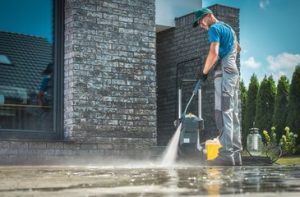
How Regular Pressure Washing Prevents Costly Repairs and Protects Outdoor Surfaces

Maintaining the exterior of any property requires more than occasional cleaning or cosmetic upgrades. Over time, outdoor surfaces collect dirt, algae, mold, grease, and environmental pollutants that gradually weaken materials and lead to unexpected damage. Regular pressure washing has become one of the most effective preventive maintenance strategies for preserving outdoor spaces while avoiding expensive repairs. By removing harmful buildup before it penetrates surfaces, property owners can extend the life of their exterior features and maintain a clean, well-cared-for appearance.

pressure washing

Pressure washing is often viewed as a purely aesthetic service, but its real value lies in protection and prevention. When dirt and organic growth accumulate, they trap moisture against surfaces, accelerate wear, and create conditions that cause materials to deteriorate faster than expected. Routine cleaning interrupts this process, helping outdoor areas stay durable, safe, and visually appealing for years. Check out https://www.certifiedsoftwash.ca/ for more details.

The Hidden Damage Caused by Dirt and Organic Growth

Outdoor surfaces are constantly exposed to changing weather conditions, airborne debris, and everyday use. Even when grime seems harmless, it can slowly erode materials beneath the surface. Mold and algae are particularly damaging because they retain moisture, which weakens wood fibers, stains siding, and encourages cracks in concrete.

Without regular cleaning, contaminants embed themselves into porous materials. Over time, this buildup makes surfaces more difficult to restore and increases the likelihood of permanent damage. For example, algae growth on walkways can create slippery conditions that lead to safety concerns, while mildew on siding can cause discoloration that becomes harder to remove.

Pressure washing removes these contaminants before they have the chance to break down protective coatings or structural components. The process not only restores the appearance of surfaces but also interrupts the cycle of damage that leads to costly repairs.

Extending the Lifespan of Outdoor Materials

One of the biggest advantages of regular pressure washing is its ability to extend the lifespan of exterior materials. Decks, driveways, fences, and siding all benefit from routine maintenance because clean surfaces are less vulnerable to decay and structural weakening.

Wooden surfaces, for instance, are highly susceptible to moisture-related issues. When dirt and algae accumulate, they hold water against the wood, increasing the risk of rot. Pressure washing removes these contaminants and prepares the surface for protective treatments such as staining or sealing. Concrete and stone also benefit from cleaning, as removing grime prevents stains from becoming deeply embedded and helps preserve the integrity of the material.

Protecting surfaces through preventive maintenance often costs far less than repairing or replacing damaged materials. By scheduling regular pressure washing, property owners can reduce long-term expenses while maintaining the strength and durability of their outdoor features.

How Pressure Washing Reduces the Need for Major Repairs

Neglecting exterior cleaning can lead to problems that require extensive restoration work. Small issues, such as minor discoloration or surface buildup, may seem insignificant at first but can quickly escalate into larger concerns. Regular pressure washing helps identify and address potential problems early, preventing them from developing into costly repairs.

Here are several ways routine cleaning helps avoid major damage:

  1. Preventing Surface Cracks – Dirt and debris trapped in small openings can expand with temperature changes, leading to cracks that weaken concrete or stone.
  2. Protecting Paint and Finishes – Removing grime preserves protective coatings, reducing the need for frequent repainting or refinishing.
  3. Reducing Moisture Damage – Cleaning away organic growth prevents water retention that causes rot, warping, or staining.

When surfaces remain clean and well-maintained, they are better equipped to withstand environmental stress, reducing the risk of sudden and expensive repair projects.

Enhancing Safety Through Consistent Cleaning

Safety is another important reason why pressure washing plays a crucial role in property maintenance. Outdoor areas that accumulate algae, grease, or moss can become slippery and hazardous, especially in high-traffic zones. Walkways, driveways, and patios benefit greatly from routine cleaning because removing buildup improves traction and visibility.

Pressure washing also eliminates debris that can hide cracks or uneven surfaces. When these issues go unnoticed, they may worsen over time and increase the risk of accidents. Regular maintenance keeps outdoor spaces safer for residents, guests, and visitors while preserving the structural integrity of the property.

Beyond slip hazards, clean surfaces contribute to healthier environments by reducing mold spores and allergens that may linger on exterior materials. This added benefit supports overall well-being while enhancing the comfort of outdoor spaces.

Protecting Curb Appeal and Property Value

While structural protection is the primary goal of pressure washing, its visual impact should not be overlooked. Clean exterior surfaces create a welcoming atmosphere and make properties appear well-maintained. Over time, accumulated grime can dull the appearance of siding, fences, and pathways, making even newer structures look worn or neglected.

Regular pressure washing helps maintain consistent curb appeal, which can be especially valuable for property owners considering renovations or upgrades. A clean exterior provides a strong foundation for additional improvements and enhances the overall impression of the space.

Here are a few visual benefits that contribute to long-term property value:

  1. Brighter Surfaces – Removing stains restores the natural color of materials, making outdoor areas look refreshed.
  2. Improved Uniformity – Even cleaning eliminates patchy discoloration caused by uneven exposure to dirt or moisture.
  3. Enhanced Landscaping Appeal – Clean hardscapes highlight surrounding greenery and architectural details.

By combining visual improvement with structural protection, pressure washing becomes a practical investment that supports both form and function.

The Importance of Proper Techniques and Equipment

Although pressure washing is highly effective, using the wrong technique can cause damage. Excessive pressure may strip paint, crack siding, or weaken delicate materials. This is why professional knowledge and experience play such an important role in achieving safe, long-lasting results.

Different surfaces require different cleaning approaches. Soft washing methods are often used for roofing or painted areas, while higher-pressure techniques may be suitable for durable materials like concrete. Adjusting pressure levels, selecting appropriate detergents, and understanding surface composition ensures that cleaning enhances durability rather than compromising it.

Professionals also consider factors such as water temperature and spray angles to maximize efficiency while protecting surrounding features. This careful approach allows property owners to enjoy the benefits of pressure washing without risking unnecessary wear or damage.

Creating a Maintenance Schedule That Works

Consistency is key when it comes to preventing costly repairs. Rather than waiting until surfaces appear heavily stained, establishing a regular cleaning schedule keeps buildup under control and reduces the effort required during each session. The ideal frequency depends on environmental conditions, property usage, and the types of materials present.

Many property owners find that seasonal cleaning provides the best balance between maintenance and convenience. For example, cleaning after periods of heavy rain or during seasonal transitions helps remove accumulated debris before it has a chance to cause lasting damage. High-traffic areas may benefit from more frequent attention, while less exposed surfaces can be maintained on a longer cycle.

Developing a routine maintenance plan ensures that pressure washing remains a proactive solution rather than a reactive response to visible problems.

Environmental Benefits of Preventive Cleaning

Regular pressure washing can also contribute to environmentally responsible property care. When surfaces are cleaned consistently, less aggressive chemicals are needed to remove buildup. Gentle cleaning solutions combined with controlled water pressure reduce the environmental impact while still delivering effective results.

Maintaining clean surfaces also helps prevent pollutants from washing into surrounding areas during heavy rain. By removing debris and contaminants before they accumulate, property owners support healthier outdoor environments while preserving the longevity of their exterior materials.

This balanced approach demonstrates that preventive maintenance can align with sustainability goals while still protecting surfaces from long-term damage.

Long-Term Savings Through Preventive Maintenance

One of the most compelling reasons to invest in regular pressure washing is the potential for significant cost savings over time. Replacing damaged siding, repairing cracked concrete, or refinishing weathered wood can be expensive and time-consuming. Preventive cleaning helps avoid these expenses by addressing problems early and maintaining the condition of surfaces.

Routine maintenance often requires less effort than restoring neglected areas. When dirt and organic growth are removed regularly, surfaces remain easier to clean and less prone to permanent staining. This ongoing care reduces the likelihood of major restoration projects and helps property owners maintain a consistent budget for exterior upkeep.

Rather than waiting for visible damage to appear, viewing pressure washing as a preventive measure allows property owners to protect their investment and enjoy peace of mind.

Conclusion: A Smart Strategy for Protecting Outdoor Spaces

Regular pressure washing is more than a simple cleaning task—it is a strategic approach to preserving outdoor surfaces and preventing costly repairs. By removing harmful buildup, extending the lifespan of materials, and enhancing safety, this maintenance practice supports both the appearance and durability of exterior spaces.

Clean surfaces resist moisture damage, maintain their structural strength, and contribute to a healthier environment. With the right techniques and a consistent schedule, pressure washing becomes a powerful tool for protecting property value while reducing long-term maintenance costs.

For property owners seeking a reliable way to safeguard their outdoor areas, regular pressure washing offers a practical solution that combines prevention, protection, and visual improvement. Over time, this proactive approach ensures that outdoor surfaces remain strong, attractive, and ready to withstand the challenges of everyday exposure.